
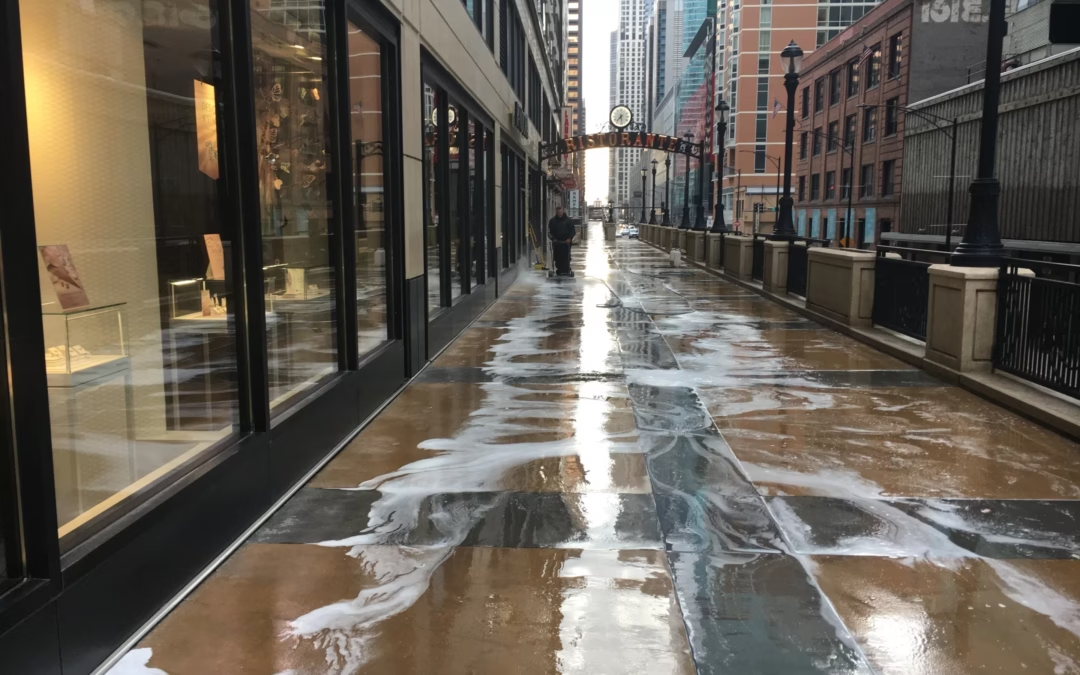
How Chicago Winters Damage Concrete (And How to Prevent Long-Term Surface Failure)
Concrete surfaces throughout Chicago endure some of the harshest winter conditions in the Midwest. Freeze-thaw cycles, road salt exposure, and moisture intrusion combine to accelerate surface deterioration and structural breakdown.
Understanding how winter affects concrete is critical for property owners who want to prevent long-term damage and costly repairs.
This guide explains the science behind winter concrete deterioration and outlines practical steps to extend the lifespan of your surfaces.
The Freeze-Thaw Cycle Explained
Concrete is porous. Even well-finished concrete contains microscopic air pockets and capillaries that allow moisture penetration.
During winter:
-
Moisture enters the concrete.
-
Temperatures drop below freezing.
-
Water expands approximately 9% as it turns to ice.
-
Internal pressure develops within the concrete matrix.
-
Repeated cycles cause cracking and surface scaling.
In Chicago, frequent temperature fluctuations around the freezing point increase the number of freeze-thaw events each season.
Road Salt & Deicing Chemicals
Salt is one of the most significant contributors to concrete damage in Chicago.
How Salt Causes Damage:
-
Salt lowers the freezing point of water, increasing moisture retention.
-
It allows more freeze-thaw cycles to occur.
-
Chlorides penetrate concrete and accelerate internal deterioration.
-
Surface scaling and flaking become more pronounced.
Sidewalks, driveways, and parking areas are especially vulnerable.
Surface Scaling & Spalling
Scaling refers to the flaking or peeling of the concrete surface.
Spalling occurs when larger fragments break away due to internal pressure and structural weakening.
Common signs include:
-
Rough, pitted surfaces
-
Aggregate exposure
-
Surface discoloration
-
Uneven texture
Once scaling begins, deterioration accelerates without intervention.
Poor Drainage & Standing Water
Chicago’s snow accumulation and spring melt create extended moisture exposure.
Concrete surfaces that do not drain properly retain water longer, increasing freeze-thaw stress.
Areas near:
-
Downspouts
-
Garage entries
-
Sidewalk joints
-
Low-lying patios
are particularly at risk.
Preventative Maintenance Strategies
While winter damage cannot be completely avoided, its impact can be significantly reduced.
1. Professional Concrete Cleaning
Removing salt buildup, debris, and organic material reduces long-term surface contamination.
Professional concrete pressure washing helps eliminate residue that continues to degrade surfaces after winter ends.
👉 Learn more about our Concrete Pressure Washing in Chicago services.
2. Prompt Crack Repair
Small cracks allow moisture intrusion. Addressing cracks early prevents deeper structural damage.
3. Drainage Improvements
Ensuring proper slope and runoff reduces standing water exposure.
4. Avoid Excessive Salt Application
When possible, use sand or alternative deicing materials to reduce chloride exposure.
Why Professional Concrete Cleaning Matters in Chicago
Winter damage often becomes visible in spring. However, contaminants continue working beneath the surface long after snow melts.
Professional hot-water and steam cleaning removes embedded salt residue and surface buildup without causing additional stress to the concrete.
With over 40 years of experience serving Chicago properties, we understand how regional climate conditions affect concrete surfaces.
When to Schedule Concrete Cleaning
The ideal time for post-winter concrete cleaning is early spring, once freeze events have subsided.
Indicators that cleaning is needed include:
-
White salt residue
-
Surface dullness
-
Flaking or scaling
-
Dark staining
-
Rough texture
Early intervention helps slow deterioration.
Concrete Pressure Washing in Chicago
If your sidewalks, driveways, or commercial surfaces have experienced winter damage, professional evaluation and cleaning can help extend their lifespan.
📞 Call 312-384-0044 to request an estimate.