
Exterior Cleaning in Chicago: A Technical Guide for Property Owners
312-384-0044
Chicago buildings face a unique combination of environmental stressors that directly impact exterior surfaces. Harsh winters, road salt, atmospheric carbon pollution, freeze–thaw cycles, and moisture-driven biological growth all contribute to premature surface deterioration.
Exterior cleaning in Chicago is not a one-size-fits-all process. Cleaning methods must be tailored to the building material, contaminant type, and surrounding environment. Improper pressure washing can permanently damage limestone, burn blonde brick, etch glass, or force moisture into masonry systems.
This guide explains:
-
The types of exterior surfaces commonly found in Chicago
-
The contaminants that affect them
-
The correct cleaning methods for each
-
The risks of improper cleaning
-
When restoration cleaners are required
-
When steam pressure washing is necessary
-
How freeze–thaw cycles impact masonry
Whether you manage a 3-story brick building in Lakeview or a limestone facade in Lincoln Park, understanding proper exterior cleaning methods protects your investment.
🧱 SECTION 1: Common Chicago Building Materials
Brick (Standard & Blonde Brick)
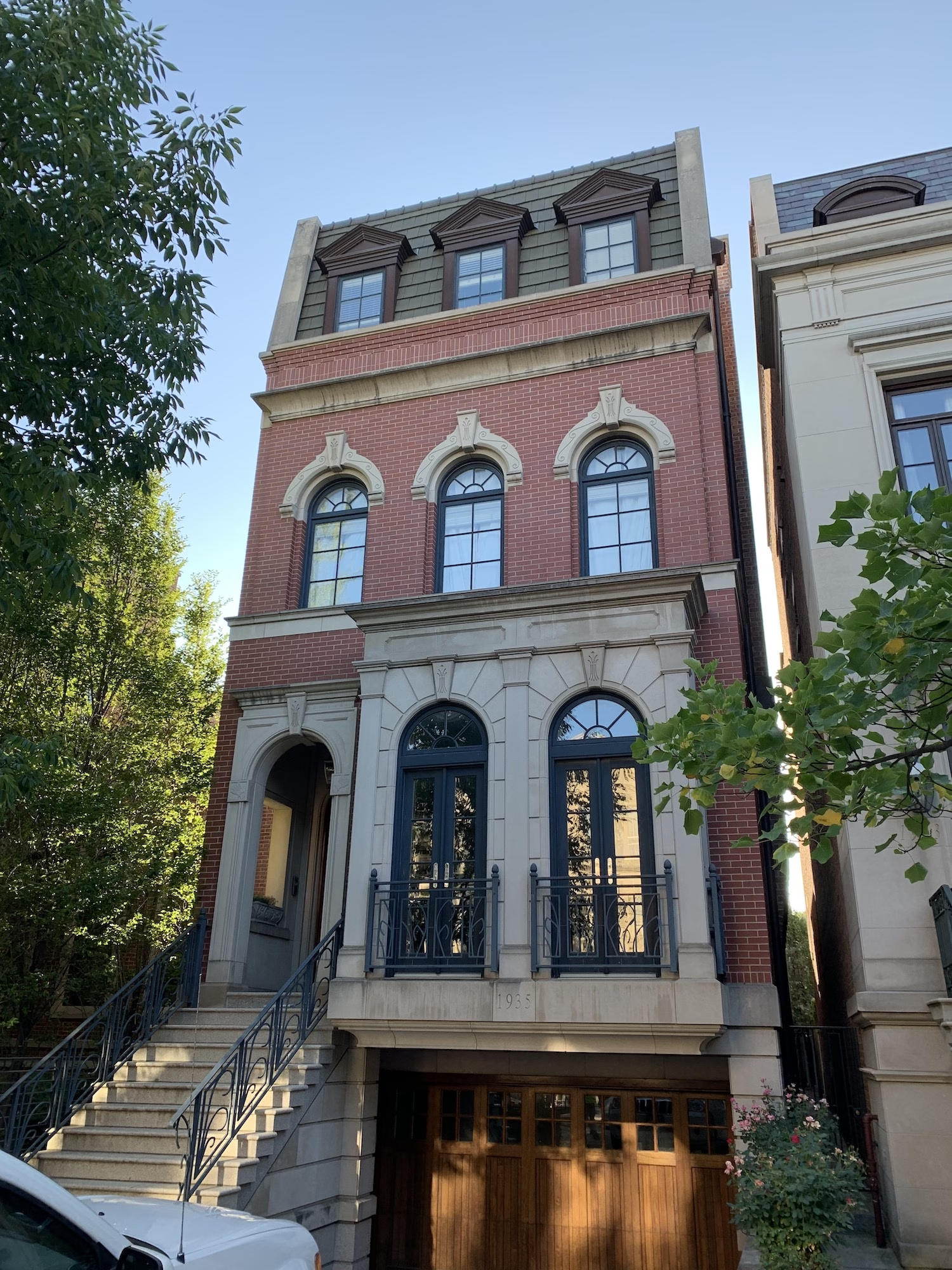
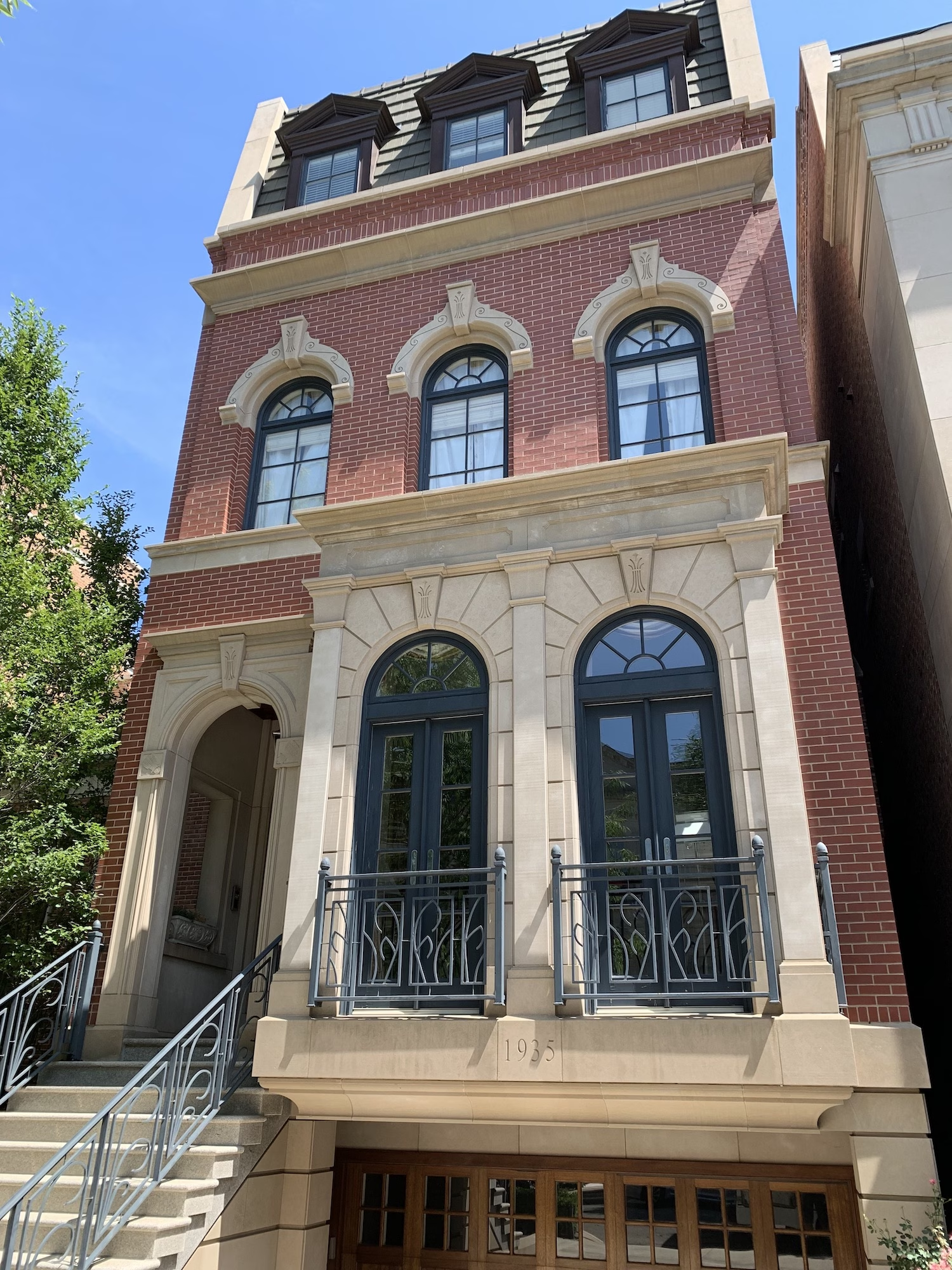
Brick in Chicago ranges from traditional red clay to light blonde masonry. Each type reacts differently to restoration cleaners. Blonde brick is particularly sensitive to improper chemical use and can permanently discolor if treated incorrectly.
For a detailed breakdown of cleaning methods, restoration chemistry, and common brick staining issues, visit our Brick Cleaning Chicago service page.
Limestone
Limestone is widely used in Chicago architecture. Because it is calcium-based and relatively soft, it is extremely vulnerable to acid exposure, over-pressurization, and abrasive cleaning methods.]
Limestone requires precise chemical control and pressure regulation. Learn more about proper techniques on our Limestone Cleaning Chicago page.
Precast & Concrete Panel Buildings
Modern commercial buildings often use precast or poured concrete systems. These materials accumulate atmospheric carbon and biological staining but require different chemistry than limestone or brick.
Sidewalks, parking garages, and dumpster areas require different processes than vertical masonry. See our Concrete Pressure Washing in Chicago page for more information.
Metal Panel Systems
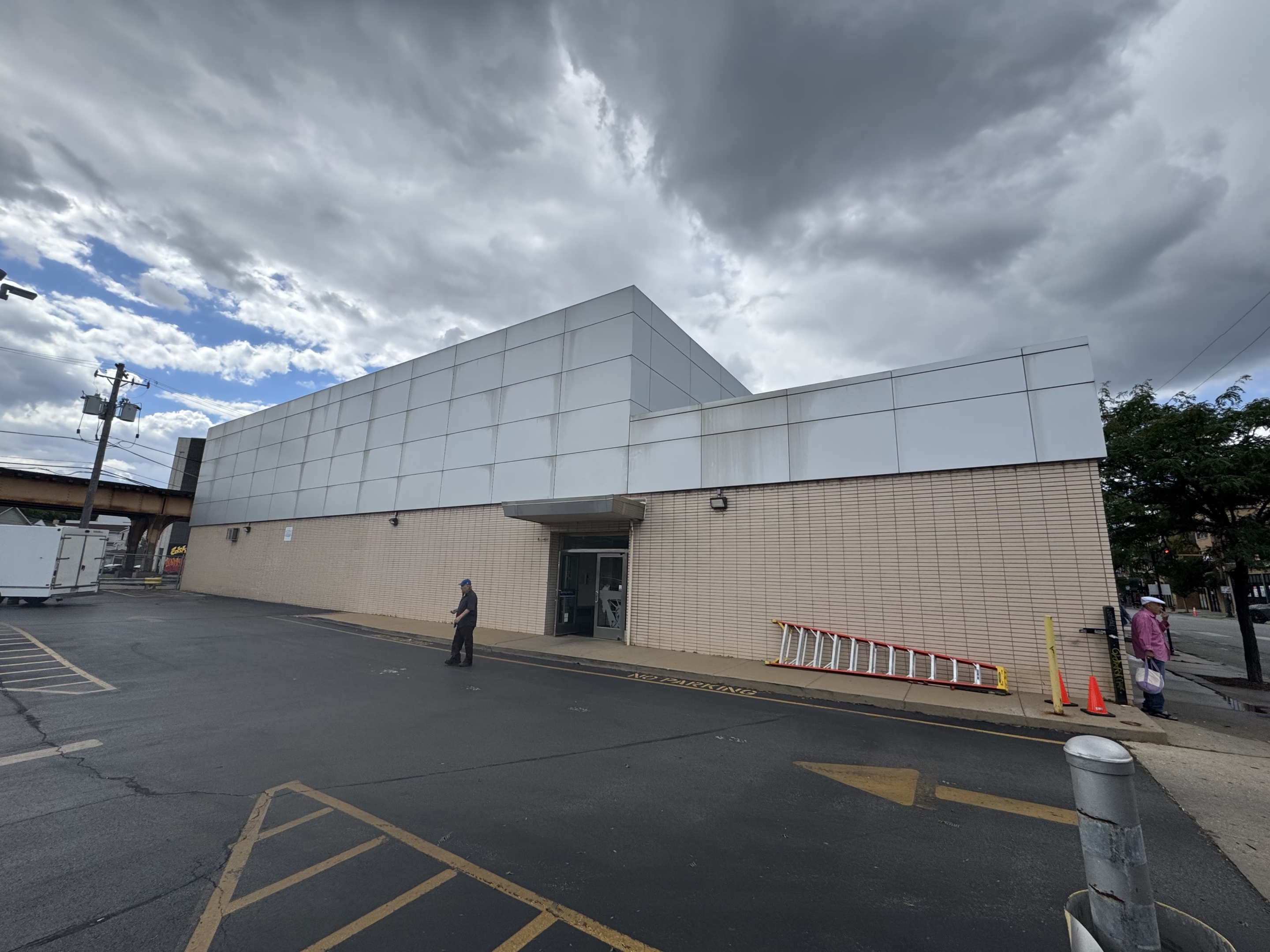
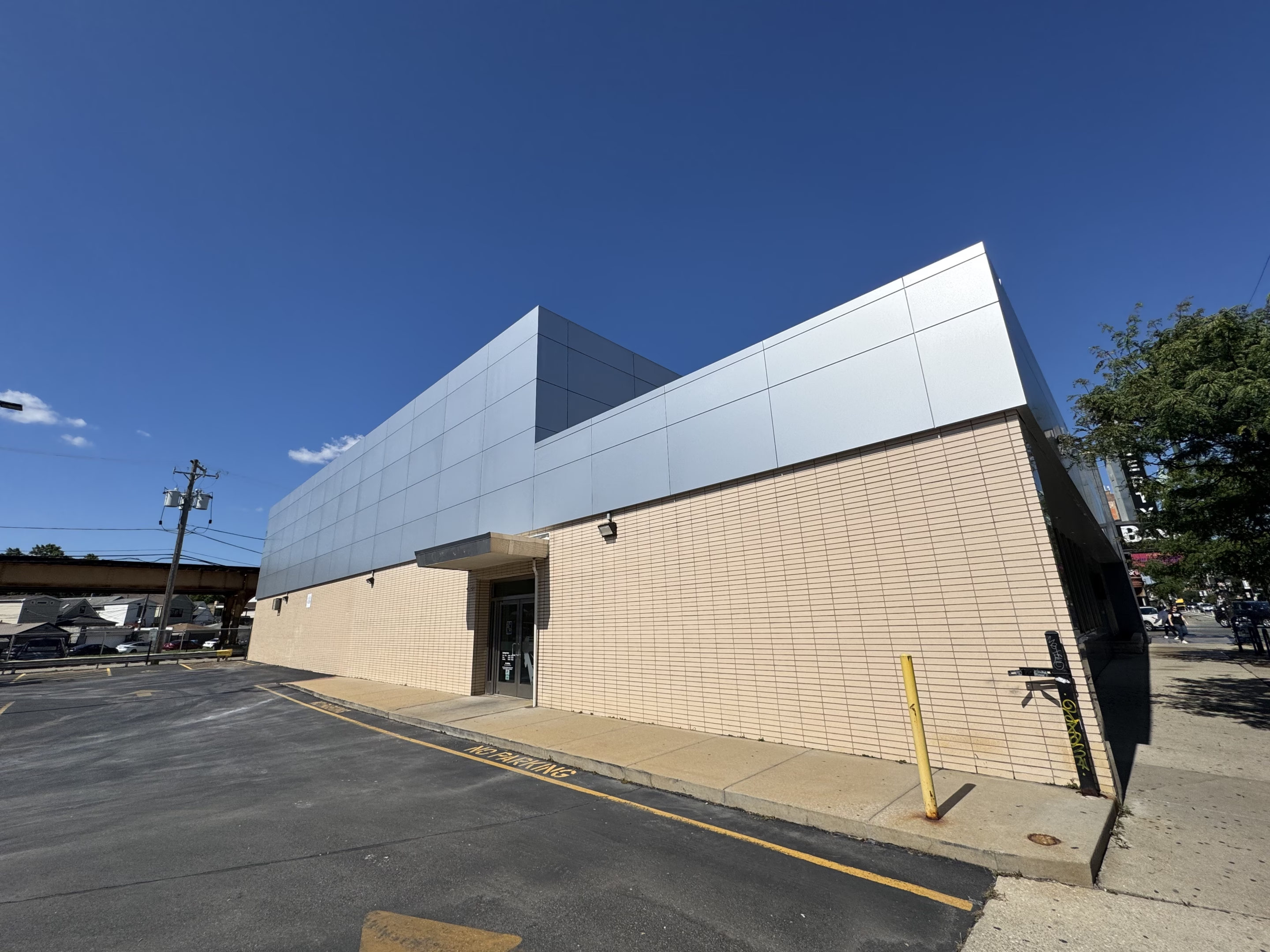
Aluminum composite panels and coated metal systems require non-abrasive, non-reactive cleaning methods to avoid scratching, oxidation, or finish damage.
🌫 SECTION 2: The Two Primary Contaminant Categories in Chicago
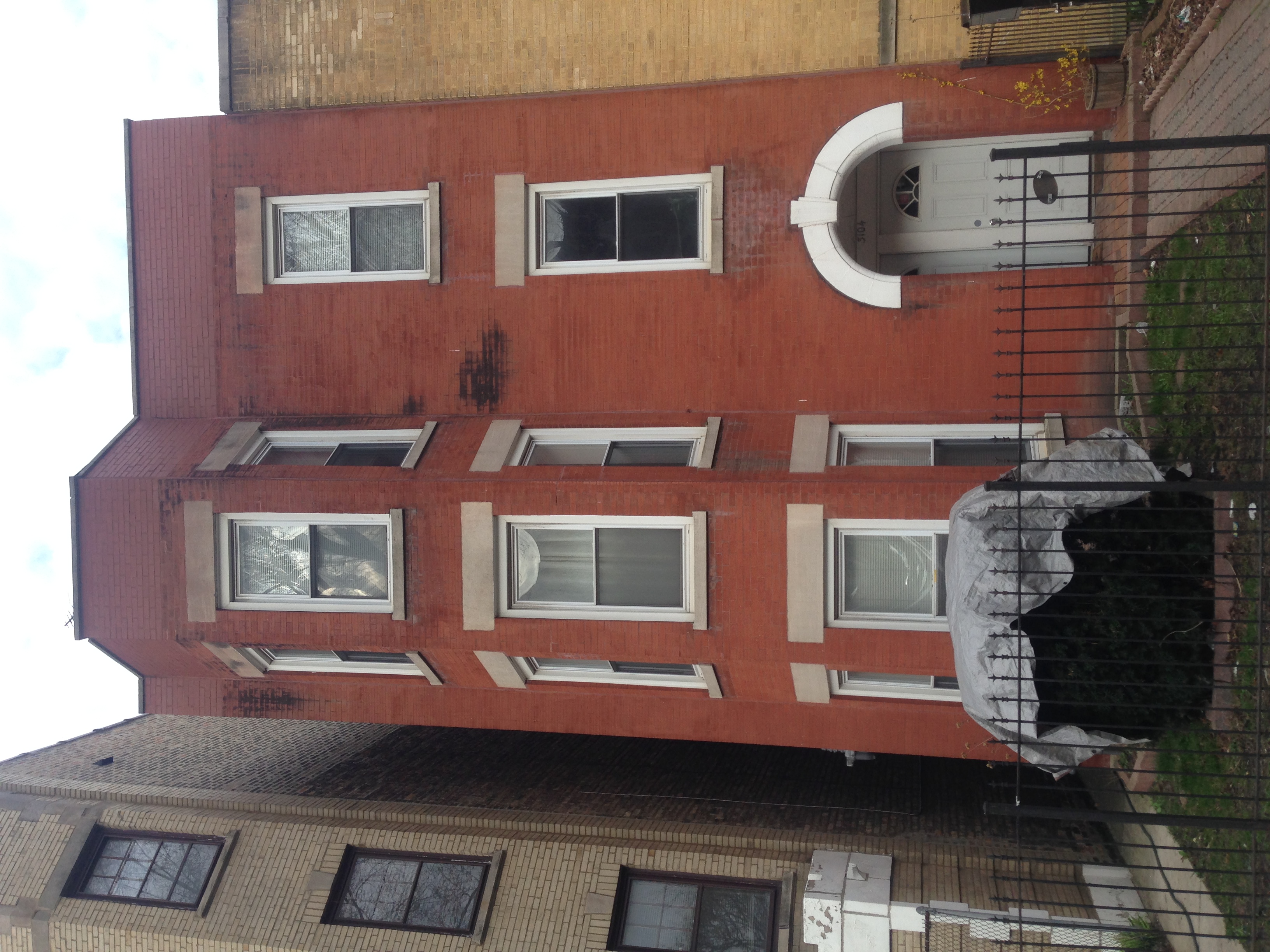
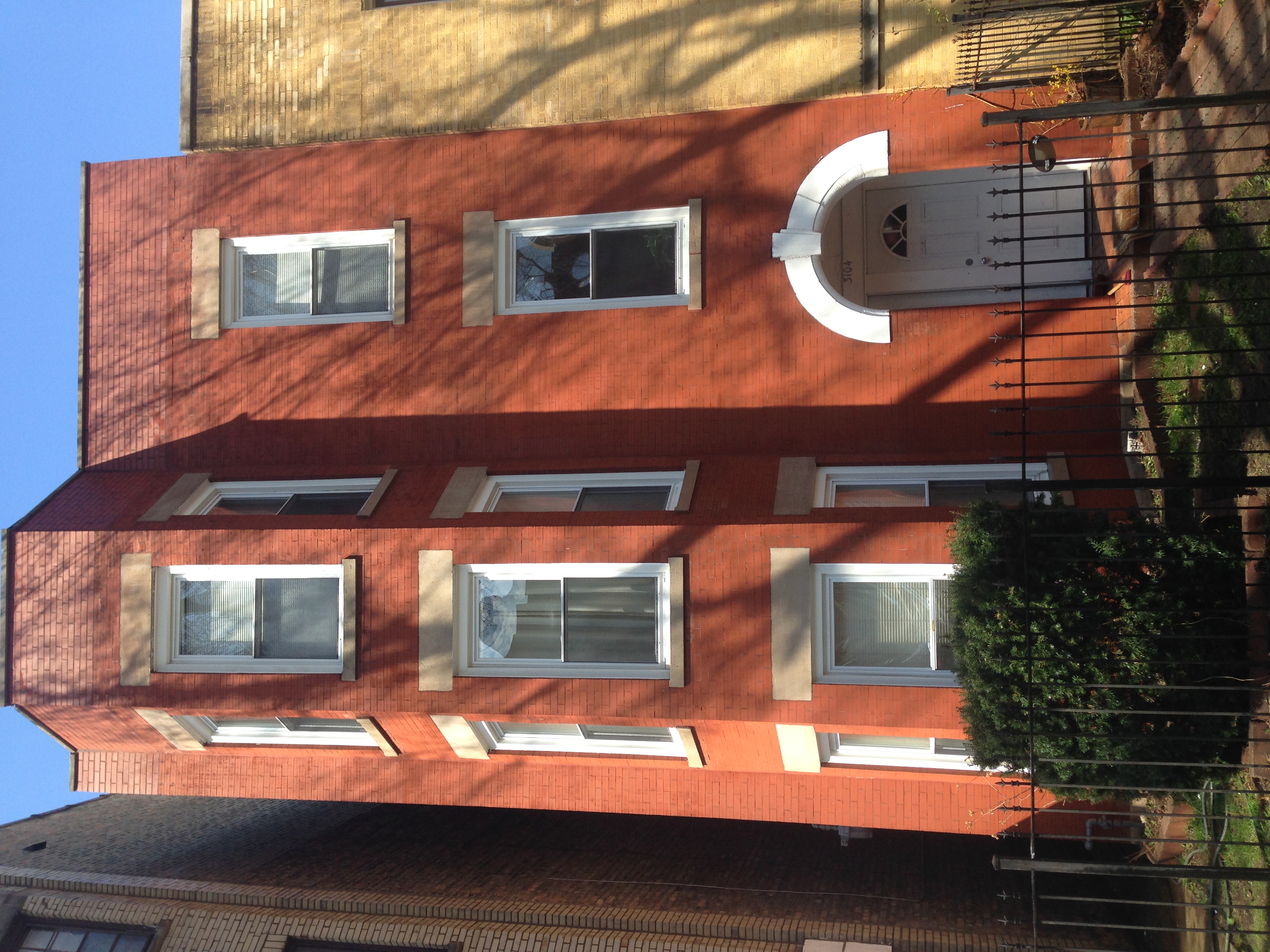
1. Atmospheric Pollution (Carbon-Based Staining)
Urban air pollution deposits carbon and particulate matter onto building surfaces. Over time this creates dark staining, especially under ledges and near traffic-heavy corridors.
Carbon staining requires restoration chemistry. Steam alone will not remove it.
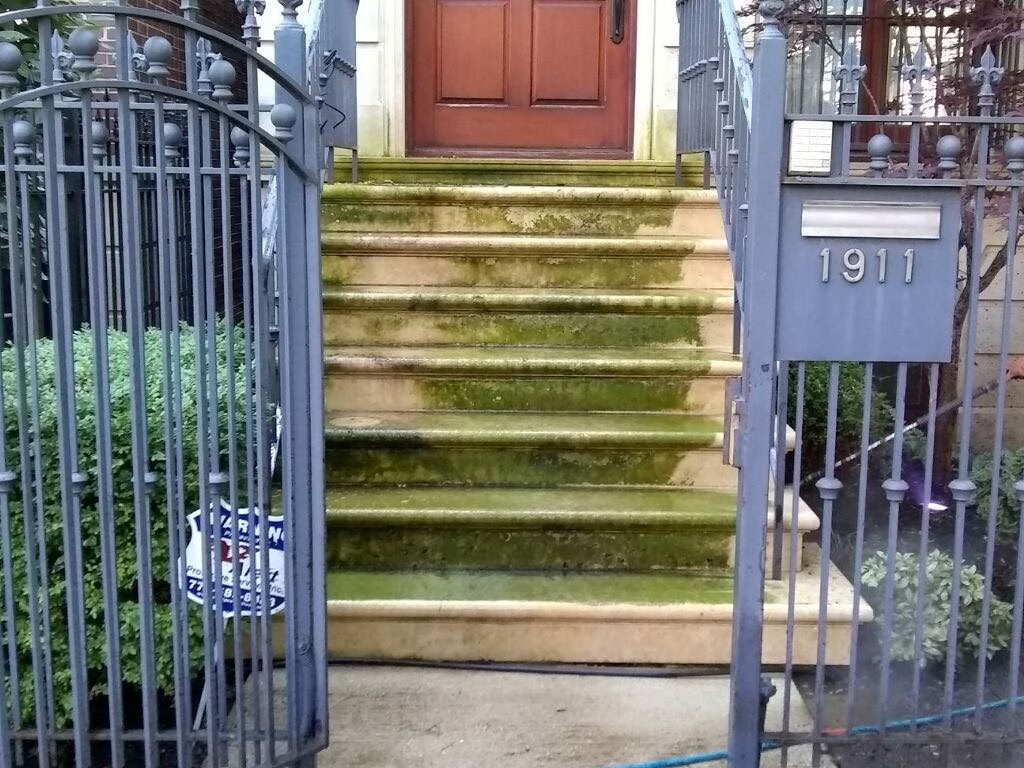
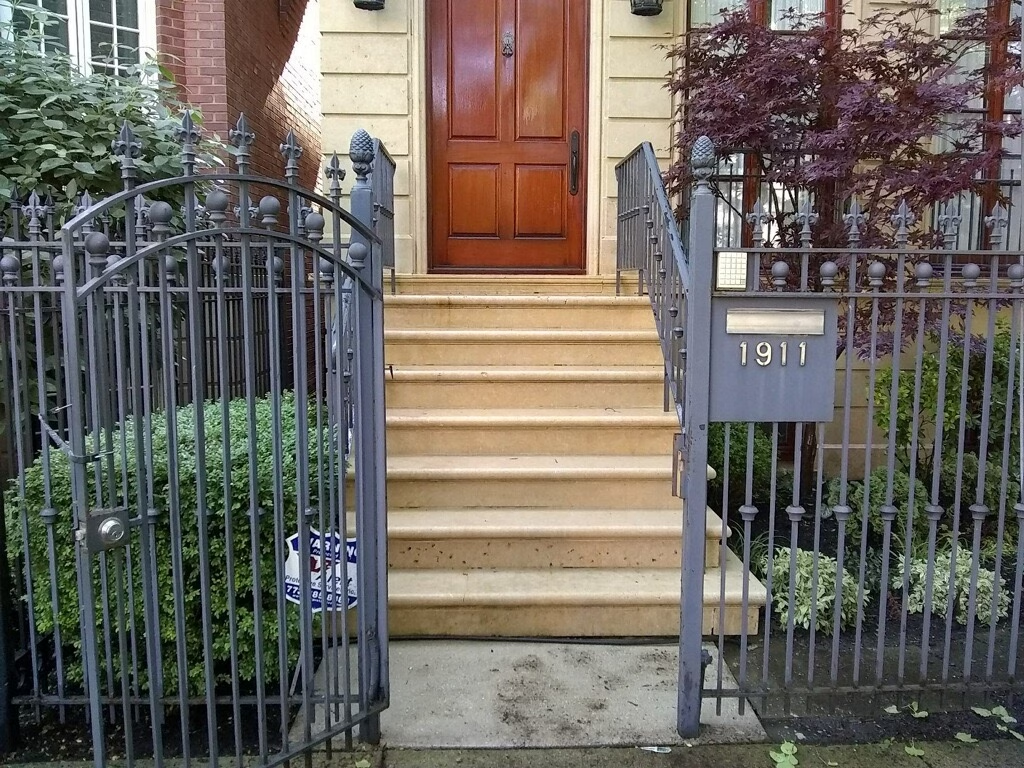
2. Biological Growth (Mold, Mildew, Algae)
Moisture accumulation, shade exposure, and organic debris promote mold and mildew growth. Biological contamination must be treated chemically before removal to prevent regrowth.
🧪 SECTION 3: Cleaning Methods That Actually Work
Steam Pressure Washing
Used for:
-
Grease
-
Chewing gum
-
Heavy organic buildup
-
Commercial sidewalks
-
Dumpster pads
Steam helps break down contaminants without relying solely on chemical aggression.
Restoration Cleaners
Required for:
-
Carbon staining on limestone
-
Atmospheric staining on masonry
-
Heavy oxidation on certain surfaces
Incorrect application can etch stone or damage adjacent materials such as glass.
Low-Pressure Soft Washing
Used for:
-
Residential siding
-
Wood surfaces
-
Delicate masonry
-
Mold-prone areas
⚠ SECTION 4: What Goes Wrong With Improper Cleaning
Improper exterior cleaning in Chicago can result in:
-
Limestone etching
-
Brick discoloration (especially blonde brick turning green)
-
Glass etching from overspray
-
Surface pitting
-
Moisture intrusion leading to freeze damage
-
Metal panel scratching
Many of these damages are permanent.
🏢 SECTION 5: Why Chicago Requires Specialized Knowledge
Chicago’s climate amplifies risk:
-
Freeze–thaw cycles expand trapped moisture
-
Road salt accelerates deterioration
-
Dense traffic increases carbon accumulation
-
Multi-unit buildings increase liability risk
Exterior cleaning must account for how cleaning one surface affects adjacent materials.
For multi-unit buildings, mixed-use properties, and commercial facades, review our full Commercial Pressure Washing in Chicago services.
Frequently Asked Questions About Exterior Cleaning in Chicago
What is the difference between atmospheric and biological staining?
Atmospheric staining is carbon-based pollution that adheres to masonry surfaces from traffic and urban air exposure. Biological staining includes mold, mildew, and algae growth caused by moisture accumulation. Each requires a different cleaning chemistry and process.
Can pressure washing damage limestone?
Yes. Limestone is a calcium-based stone and is highly sensitive to improper pressure and acidic cleaners. Incorrect methods can cause permanent etching, discoloration, and surface erosion.
Why does blonde brick turn green after cleaning?
Blonde brick can discolor when the wrong restoration cleaner is used. Certain chemical reactions with light masonry can produce a greenish hue that may be permanent.
Is steam pressure washing better than cold water washing?
Steam pressure washing is often necessary for grease, chewing gum, and heavy organic buildup. However, not all surfaces require steam. The correct method depends on material type and contaminant.
How does Chicago’s freeze–thaw cycle affect building cleaning?
If moisture is forced into masonry during improper cleaning, freeze–thaw cycles can expand trapped water, leading to cracking and surface deterioration over time.
📞 In Closing
If you manage or own property in Chicago and want to ensure cleaning is done correctly the first time, professional assessment is critical.
Call 312-384-0044 to discuss your building’s material type and contaminant conditions.